

.jpg)

No matter where you are on your sustainability journey—whether you’ve recently finished a sustainable building or are just beginning to think about it—there are always ways to make a difference. Climate change impacts everyone, and figuring out what to do next can be challenging. No matter what, every step counts, big or small.
At Neumann Monson, we’ve made sustainability a core part of our work for nearly twenty years. Starting in 2005, we began cutting our office’s energy use, leading to our interior studio space becoming LEED Certified in 2006, when many of our team members earned LEED AP credentials. We are also a signatory of the American Institute of Architects' (AIA) Architecture 2030 Commitment, and as part of that commitment, we have a Sustainability Action Plan outlining some operational strategies that anyone can apply to their company. They include:
- Prioritizing environmentally preferred office supplies
- Creating sustainable branded clothing
- Incorporating compost options in your waste management strategies
- Saving energy and water with low-flow fixtures
- Offsetting carbon emissions
1. Prioritizing Environmentally Preferred Office Supplies
Office supplies are primarily composed of plastic and toxic materials. Most of the emissions associated with these supplies are produced during manufacturing and transportation, and since they’re often single-use items, they contribute a full life cycle of emissions.
To address these implications, the first step you could take would be to review your current office supply list and look for more sustainable alternatives. This might include supplies that are made from recycled materials, bamboo, or even sugar-cane husks. Another simple step is to purchase locally made supplies to reduce sourcing impacts.
If you need to ship your supplies, consider purchasing from companies like Earth Hero that have carbon-neutral shipping.
2. Create Sustainable Branded Clothing
Aside from contributing to approximately 10% of global greenhouse gas emissions, the fashion industry pollutes waterways, destroys forests, relies on toxic chemicals, and creates unsafe working conditions. Not to mention the contributions the industry makes to our global waste, creating clothing landfills like the one in Chile’s Atacama Desert.
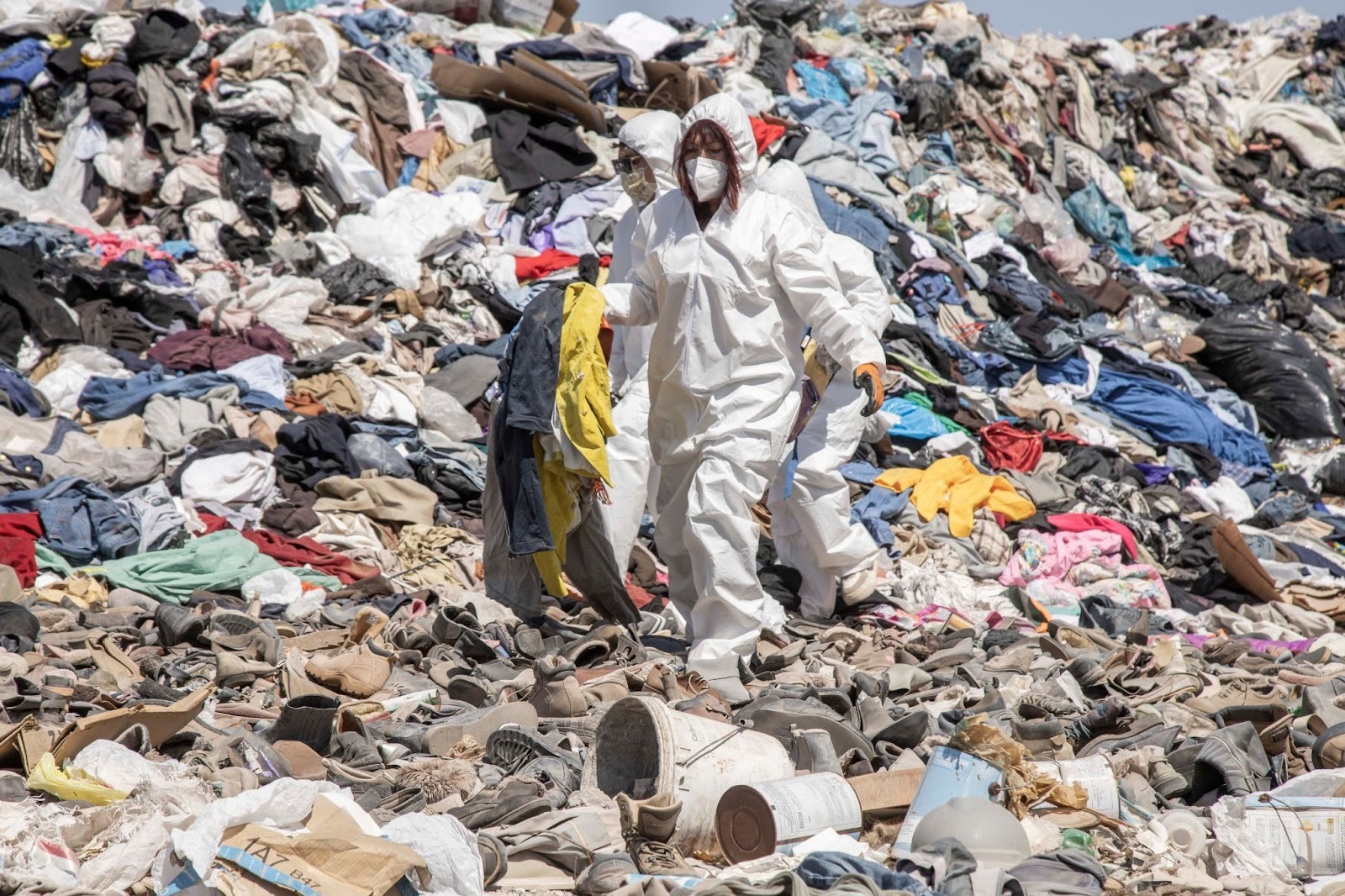
Fortunately, some clothing companies are striving to break through these industry norms. Patagonia, for example, creates sustainable clothing, invests in carbon offsets, and aims to reach net zero by 2040. They offer company orders that are shipped to local providers for custom logo branding.
So, when choosing branded apparel for your organization, pay attention to the materials and sustainability measures, and consider a more sustainable and ethical clothing company like Patagonia.
3. Incorporate Composting In Your Waste Management Strategies
You likely already have recycling in your waste management strategies, but if you’re looking for the next step, food composting could be a good opportunity to divert some of your company's waste from the landfill.
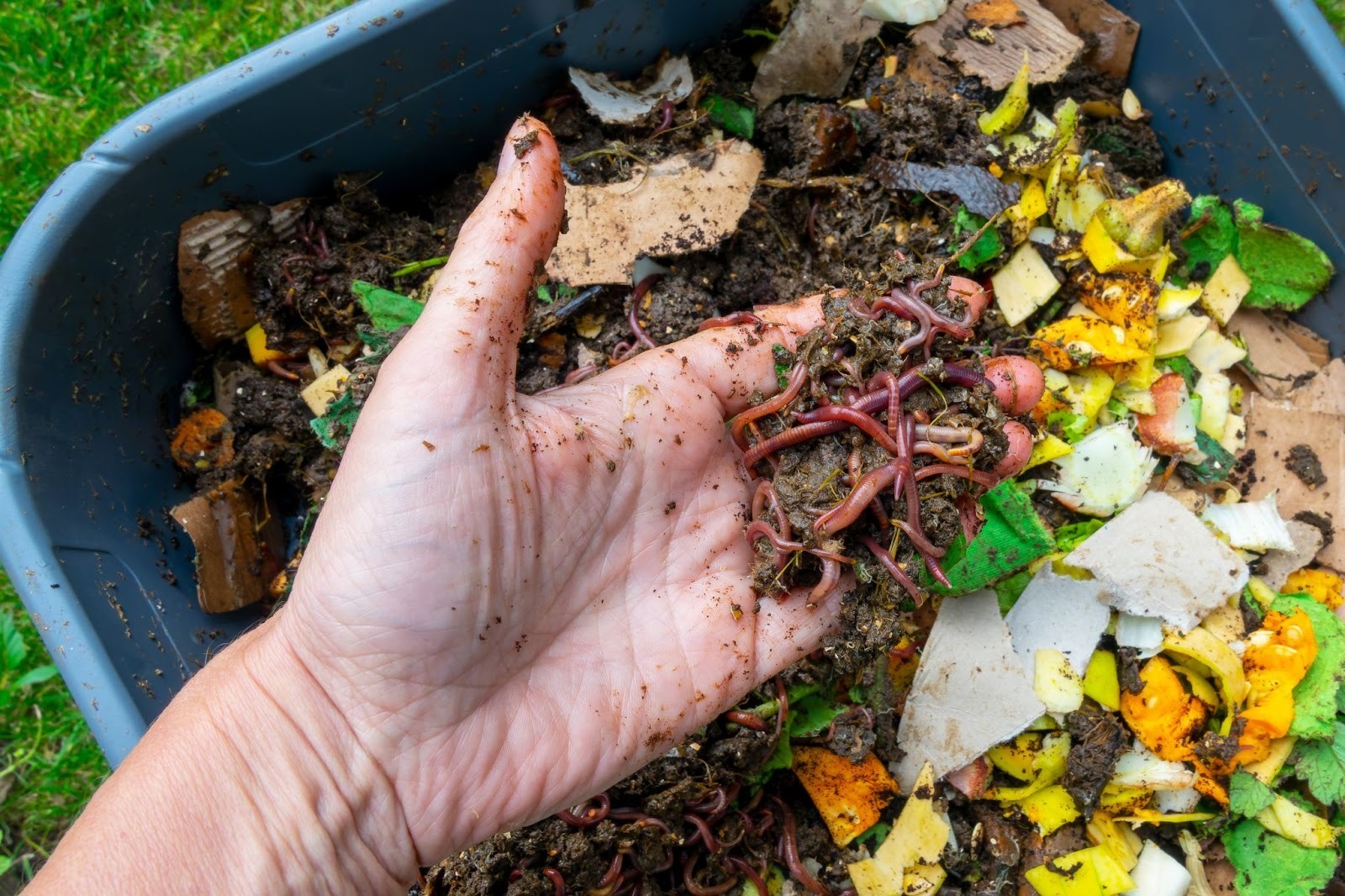
Composting is the process of breaking down food scraps into nutrient-rich soil, saving your food scraps from the landfill. In the US, about 40% of the items we throw away are compostable, accounting for about 8-10% of all US greenhouse gas emissions.
So, what can you do? You can start by seeing what your city provides. Here in Iowa City, for example, the city offers curbside composting services. The city transports your food waste directly to their compost facility for a fee of $3.50/month. From there, you need to ensure that you are following the composting requirements as outlined by your service provider. It’s important to educate your team on these guidelines while also having a separate bin with compostable bags for your food scraps.
If you don’t have composting services in your city and you still want to proceed with composting, you can always create your own composting system. The EPA outlines a few questions that would help determine how to move forward with creating your own compost.
4. Shift to Low-Flow Water Fixtures
It’s likely you already know about the energy you’ll save by switching to LEDs. However, did you know you can also save energy and water by using low-flow water fixtures? Without sacrificing performance, these fixtures use less water in our showers, toilets, and faucets.
According to the EPA, if a 10-story office building with 1,000 occupants were to incorporate these low-flow fixtures, it could save about 870,000 gallons of water per year. This equates to saving $7,600 per year.
If your company chooses to pursue low-flow fixtures, start by looking for the Water Sense label.
5. Curb Emissions with Renewable Energy Credits and Carbon Offsets
If you’re looking to become carbon neutral or to even have less of a footprint, purchasing offsets and renewable energy credits (RECs) are great options. The difference? Carbon offsets aim to reduce carbon in the atmosphere through projects like reforestation. RECs, on the other hand, support renewable energy development.
To begin this process, you should first determine your goals. Maybe it’s to become completely carbon neutral or to simply offset your energy emissions. From there, you need to calculate your emissions. You can do this by using carbon footprint calculators such as UC Berkeley’s CoolClimate Calculator.
Once you do this and know the extent of your emissions, then it’s time to purchase your offsets or RECs. ClimeCo and Terrapass are two companies that offer a portfolio of different projects to help offset your footprint.
Learn More about Sustainability in the Workplace
Addressing the impacts of climate change in your organization can feel overwhelming. Whether investing in offsets or sustainable office supplies, these strategies can make a difference, no matter the scale.
To further your impact, consider looking into Biophilia, which further addresses sustainability and your employees' well-being. This fosters a healthier environment for both people and the planet.