

Picture this: a contractor wins your project with a competitive bid. Halfway through, they hit financial trouble and abandon the job. Or worse, they fail to pay subcontractors, leaving you with a half-finished building and a stack of lien notices.
This is where bonds come in. They’re a protection for owners against unplanned financial issues in the construction process. Just like insurance covers accidents and unforeseen events, bonds are contractor promises backed by a surety company that make sure your project will be completed, and bills will be paid.
While architects aren’t directly involved in providing or managing bonds, we do play an indirect role in making sure the owner is protected and that bond requirements are clear. Your architect can explain when bonds are required by law (like on public projects) and may confirm bonds are submitted and in the proper form during bidding and construction.
What is a Construction Bond? (And Why You Might Want One)
Large-scale construction carries significant financial risks. Lending companies can commit millions of dollars in loans for contractors, who in turn are financially obligated to subcontractors, consultants, and other parties that will contribute to the completion of the project. With so many companies involved, it is important to ensure that one party’s financial shortfall doesn’t collapse the entire project.
Bonds provide an additional layer of security against these events, guaranteeing performance, payment, or bid integrity. They transfer risk from you, the owner, to the surety company backing the bond.
This is why, when lenders are involved, a portion of money spent on contractors often goes towards bonds. While owners don’t pay for the bond directly, the cost of the bond will be reflected in the payment to the contractor.
Additionally, bonds are legally required for most public projects to protect taxpayer funds from being lost.
However, private owners who are only committing their own money to the construction often forego bonds, as they are expensive and they don’t provide additional value to the project.
This demonstrates the utility of bonds: they guarantee that money will be recovered for lenders and taxpayers, but the high expense for private owners makes them much less useful than other financial mechanisms built into the process. This is why you will mostly see bonds used for large-scale projects with lenders and for public projects.
The Three Types of Construction Bonds
The Bid Bond
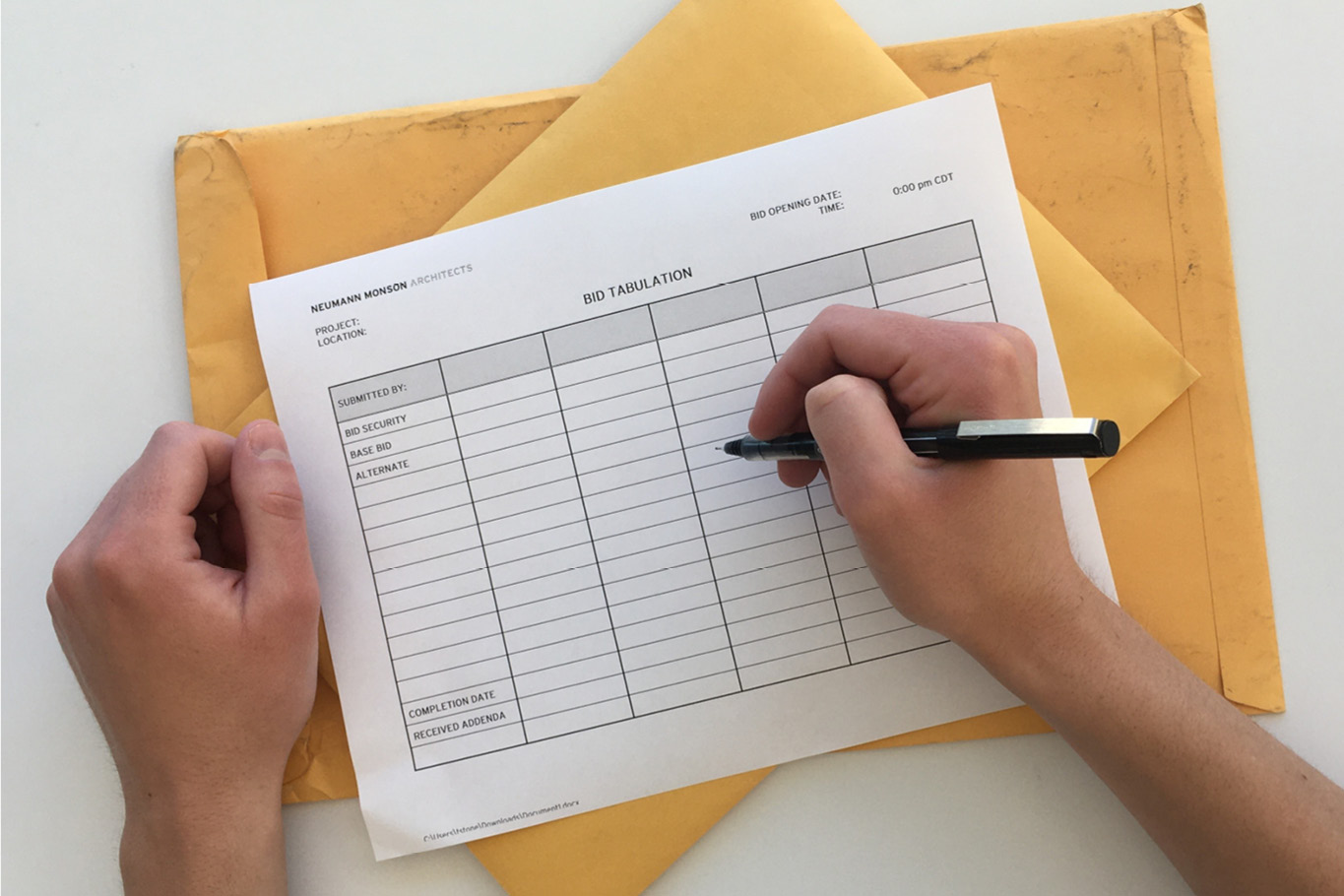
At the beginning of many construction projects, especially public works, a competitive bidding process takes place to select a contractor. The bid bond makes sure each contractor that submits a bid is obligated to sign the contract at the price they bid.
Why does this need to happen? Because owners invest significant time and money in the bid process. They need assurance that the winning contractor will honor their price and sign the contract.
A bid bond acts as that guarantee. It prevents contractors from throwing out several frivolous bids to win, then picking and choosing if they’ll actually take the job. If they decide to walk away after they’re selected, the surety company behind the bid bond compensates the owner for the difference in cost between that contractor and the next qualified bidder.
(For more on the bidding process, check out our article: What You Can Expect from Bid Day.)
The Performance Bond
After the contract is signed and construction has begun, the owner’s biggest concern becomes performance. The contractor may underestimate costs and run out of cash. They could face labor shortages or material delays they can’t overcome. In the worst cases, they may abandon the project entirely or go bankrupt.
An unfinished building means sunk costs, financing penalties, reputational hits, and months (or years) of delay. That’s why nearly all lenders insist on a performance bond.
In the event of a contractor default, the performance bond ensures the surety company will step in to finance compensation or hire a replacement. This guarantees you have the funds to complete the project, even if the original contractor fails to fulfill the contract. During the 2008 economic recession, many projects were only finished because performance bonds provided funding when contractors folded.
The Payment Bond
Even when an owner pays their general contractor on time, there’s no guarantee that every subcontractor and supplier down the line gets paid. In a typical project, dozens of companies contribute labor, materials, and equipment. Electricians, steel fabricators, flooring installers, mechanical contractors, and more rely on the general contractor for compensation.
If the general contractor runs into financial trouble, delays payments, or mishandles funds, those subcontractors can quickly feel the squeeze. And when they don’t get paid, their legal recourse is a mechanic’s lien against the property.
A lien can cloud your title, stall financing, and drag you into disputes that aren’t your fault. This is why payment bonds exist.
A payment bond guarantees that all subcontractors who contributes to the project will receive the money they’re owed, even if the general contractor defaults. A payment bond also protects you, the owner, from costly legal entanglements. Lenders often require the security of a payment bond before agreeing to fund projects.
How an Architect Can Help You with the Bond Process
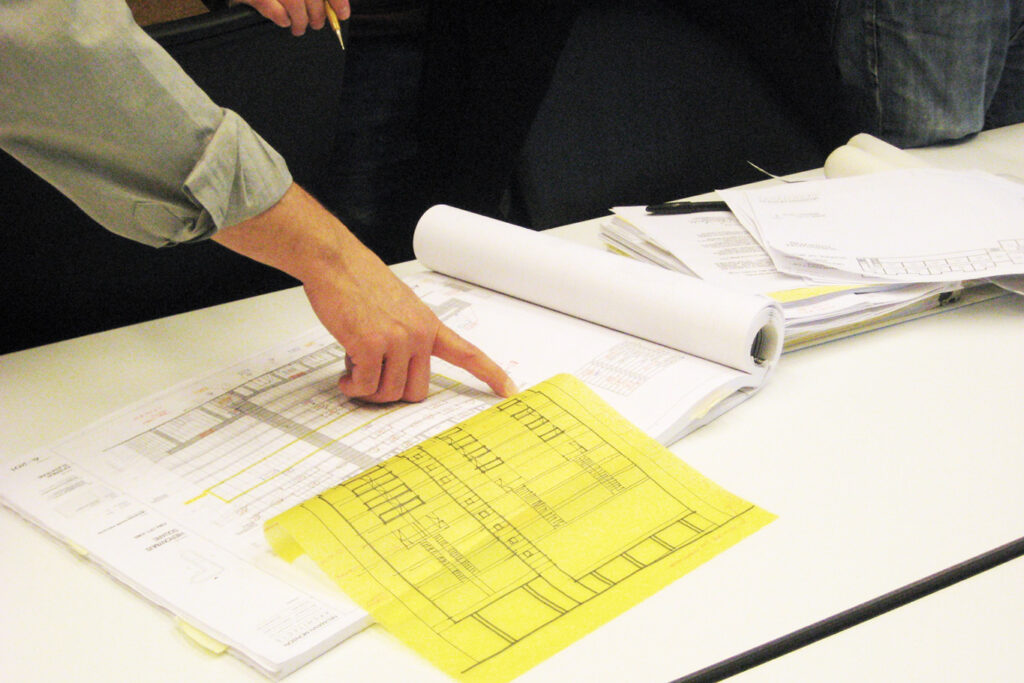
Architects don’t provide bonds themselves, but they play an important advisory role. They can ensure the right bonds are required in the contract, help owners understand their purpose, and verify bonds are in place before construction begins. Our architects are well-versed in the complex financial ecosystem of construction projects, and we can help you understand the solutions that will ensure your project’s completion.
For building owners, risk is part of every project. But it doesn’t have to be paralyzing. Bonds exist to protect your investment, reduce financial exposure, and provide peace of mind so you can focus on the quality of your project.
If you’re preparing to start a building project and want clarity around financial requirements, schedule a meeting with one of our architects. Together, we’ll evaluate your goals and determine the best path forward to ensure your project and investment are secure.
You can read more about the financial process of construction with our articles on How to Use Bid Alternates Effectively and The Pre-Bid Conference.