

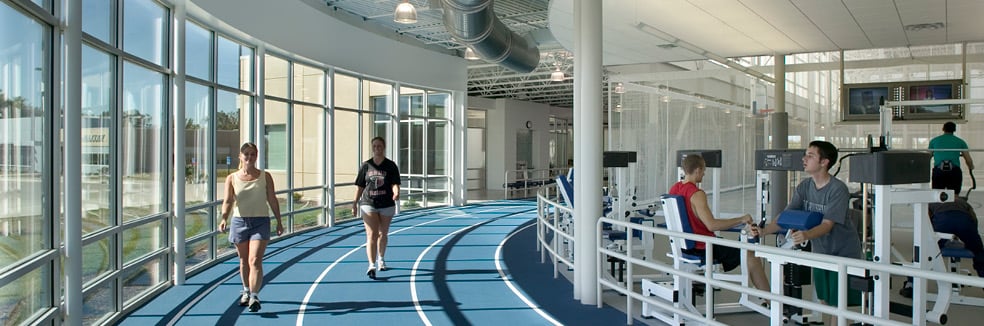
In the world of high-performance buildings, the WELL Building Standard™ version 2 (WELLv2) has emerged as one of the most influential frameworks for elevating human health through design, operations, and policy. Rooted in rigorous science and public health research, WELL certification is a roadmap for designing places where people thrive.
WELLv2 is built around a simple hypothesis: a built environment directly affects human wellness. Unlike many traditional sustainability frameworks that focus on resources used, WELL places physical, cognitive, and social health at the forefront of design decisions. It achieves this through a performance-based system that measures and certifies how well a project supports occupant health from airflow and water quality to nourishment, movement, and community engagement.
What Does WELLv2 Measure?
At its core, WELLv2 organizes requirements into ten health concepts:
- Air – Clean, filtered indoor air
- Water – Safe and accessible drinking water
- Nourishment – Healthy food choices and dietary support
- Light – Lighting that supports circadian rhythms and comfort
- Movement – Design that encourages physical activity
- Thermal Comfort – Balanced thermal environments
- Sound – Acoustic quality and reduced noise stress
- Materials – Low-toxic and transparent material choices
- Mind – Strategies for mental well-being and stress reduction
- Community – Inclusive and equitable social environments
Each concept includes preconditions (mandatory design or operational benchmarks) and optimization strategies (optional points that push a project toward higher performance).
Why Receive a WELL Certification?
WELL offers numerous benefits to everyday building occupants. Its thermal, acoustical, and lighting standards create a comfortable and energizing environment, leading to increased productivity. At the same time, its water, nourishment, and movement standards can promote healthier lifestyles.
WELL certified buildings reduce occupants’ exposure to air pollutants and water contaminants, preventing short-term and chronic illnesses. Additionally, WELL’s lighting, sound, and thermal comfort strategies make for an inviting workplace and help regulate occupants’ circadian rhythms.
Designing to WELL’s standards sends a powerful message to potential hires. It demonstrates you care about employee wellbeing and want employees to feel comfortable in their working environment. In a competitive hiring market, a healthy workplace can help you retain and grow your team.
Additionally, with WELL Core, you can improve the quality of non-owner-occupied buildings for potential tenants, increasing rental values.
What Projects Can Become WELL Certified?
WELL certification can be applicable in many scenarios, but it is especially useful for workplaces and other buildings that are regularly occupied by working people. For workplaces, the wellness benefits of WELL certification can result in better employee health outcomes, increased employee retention, and improved productivity. The extra steps taken to achieve WELL certification can be an investment that pays off in spades when employees are happier and healthier.
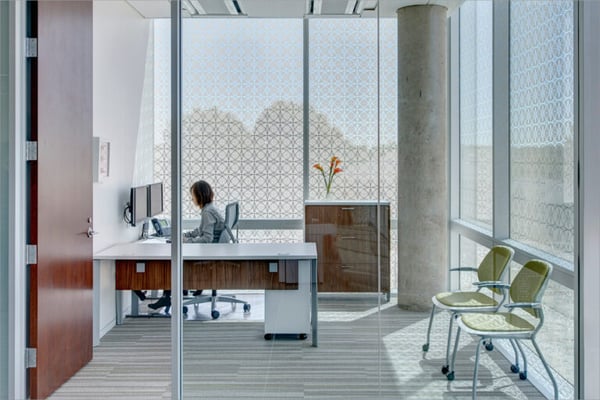
WELL sets standards for metrics like daylighting.
How Certification Works
Instead of a single pass/fail threshold, WELLv2 uses a points-based scoring system that gives project teams flexibility and meaningful goals:
- Bronze – 40 points
- Silver – 50 points
- Gold – 60 points
- Platinum – 80 points (highest achievement)
Points are earned through achievement in optimizing for wellness based on several criteria.
There are two project certifications: WELL and WELL Core. WELL certification is for owner-occupied projects, where regular occupants are associated with the owner, such as employees. WELL Core is designed for projects where the majority of occupants are not associated with the owner, such as tenants. There are small differences between the two that ensure any project type can earn a WELL certification, and both are valuable to a project.
(Note: WELL Core is not applicable to multifamily residential projects, even though the majority of occupants are tenants. Multifamily residential projects are only eligible for WELL certification.)
A WELL project must satisfy all applicable preconditions (foundational policies and design choices) before any optimization points can contribute to its final score. This starts every WELL certified project at a baseline, ensuring essential health outcomes are met at every level.
WELL Performance Verification
One of the key differentiators of WELLv2 is its emphasis on measured performance, meaning that meeting WELL requirements must demonstrate results in the real world. Third-party verification includes:
- On-site testing of air quality, water quality, thermal comfort, and acoustics
- Continuous monitoring using sensors where applicable
- Detailed documentation submitted through the WELL Online platform
- Performance testing agents to ensure compliance and accuracy
This rigorous verification helps project teams confirm that design decisions translate into healthier outcomes for occupants.
WELL Recertification
WELLv2 certification is valid for up to three years, after which projects must undergo recertification to ensure maintained performance. This cycle reinforces ongoing commitment to occupant well-being and continuous data-driven improvement.
Why WELLv2 Matters to Design Practice
At Neumann Monson, we see WELLv2 as more than a checkbox. Planning projects with WELL in mind means you’re already looking through the lens of human-centered design. By integrating WELL’s evidence-based strategies early in design and operations, project teams can:
- Increase occupant comfort and satisfaction
- Improve cognitive performance and productivity
- Support physical and mental health outcomes
- Attract and retain talent in workplaces and communities
- Elevate the value and resilience of buildings over time
WELL is just one building verification system on the market, however. Others like Leadership in Environmental and Energy Design (LEED) and Living Building Challenge (LBC) help reduce carbon emissions and operational costs. Learn more by reading about the benefits of using a green building rating system on your next building project.
If you’re interested in WELL certification, schedule a meeting with us so we can discuss the next steps to designing your next great project. And for more details, check out IWBI’s official documentation on WELLv2 certification.