

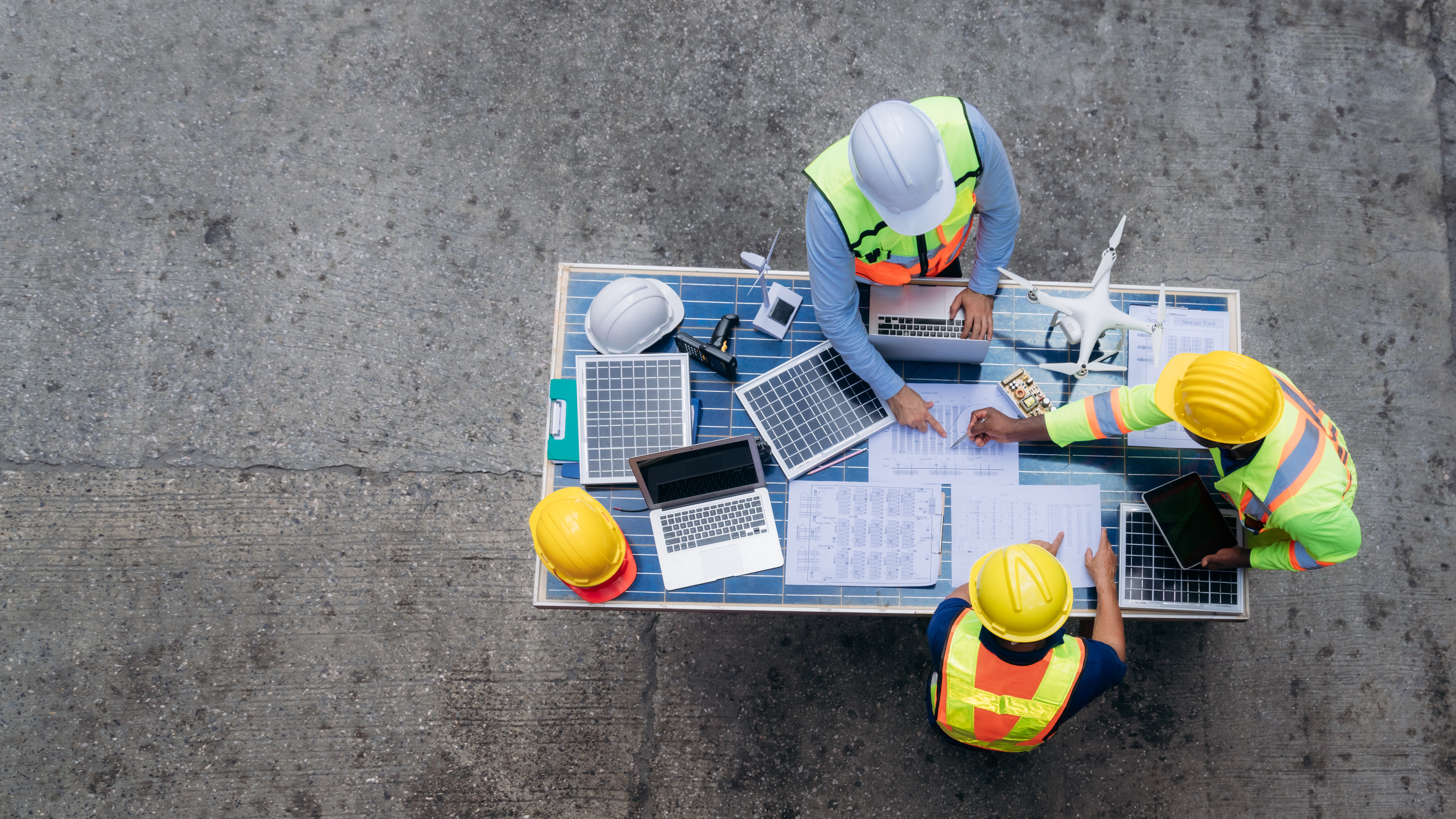

As the electricity demand continues to rise—driven by data centers, AI, and electric vehicles—clean energy infrastructure is becoming an increasingly profitable investment. For property owners and developers, this shift presents an opportunity to integrate revenue-generating systems directly into building projects. From site planning strategies to building systems integration, architecture plays a key role in unlocking these opportunities.
This article explores three clean energy infrastructure pathways and the considerations associated with each:
1. Solar Land Leases
Solar land leasing enables property owners to monetize underutilized land through long-term agreements with energy developers. Compensation per acre typically varies depending on site conditions and regional market conditions. However, leases typically last 20-30 years and often include escalation clauses or production-based incentives to increase revenue over time. Occasionally, maintenance is needed, which is subject to the developer, and at the end of the lease, the developer is responsible for removing all solar infrastructure and restoring the site.
From a planning and design perspective, site selection is critical. Solar leases typically require a minimum of 10 acres for solar development, along with proximity to existing power distribution infrastructure, strong solar exposure, and reliable road access. Projects located in regions with supportive solar legislation also make the development much more economically viable.

2. Net Metering
Net metering provides a direct financial benefit for building owners by allowing excess energy generated on-site—typically through rooftop solar—to be fed into the electrical grid.
In practice, buildings may produce more energy than they consume during peak production periods, such as the summer months. Through net metering, this excess energy can be exported to the electrical grid in exchange for energy credits or money back on utility bills.
Energy credits allow solar panel owners to draw electricity from the grid when needed, such as on snowy, rainy, or cloudy days where their solar panels may not be producing enough energy for their building. If owners choose to receive money back on their utility bills, they will receive it at the end of the month or the end of the year, based on how many kWh they originally sent back to the grid. They would be paid out at a typical cost energy consumers pay per kWh.
Architectural design plays a key role in maximizing this opportunity. By determining roof orientation and solar potential, architects can help significantly improve performance and long-term returns.
3. EV Charging Stations
Installing EV charging stations is another way building owners can generate revenue, particularly in high-trafficked areas such as parking facilities, mixed-use developments, and commercial properties. When evaluating whether to purchase EV chargers, it’s important to compare level 2 and level 3 chargers to determine what may be of most value.


Several factors influence which option is most appropriate. For example, level 2 chargers are less expensive to install and are well-suited for locations where vehicles remain parked for extended periods, such as residential buildings and workplaces. In contrast, level 3 chargers require a higher upfront investment, but offer faster charging times and greater revenue potential due to increased turnover, making them ideal for high-traffic locations.
Architects can help align EV charging infrastructure with site conditions and user behavior to ensure that placement and electrical planning are both functional and profitable.
How an Architect Can Help You Evaluate Your Clean Energy Opportunities
Solar land leases, net metering, and EV charging stations are just a few ways clean energy infrastructure can generate significant long-term financial returns. Your architect can help you determine what may be feasible to align your project with clean energy goals, ensuring your project reduces operational costs and unlocks revenue streams that enhance the long-term value of your project.