

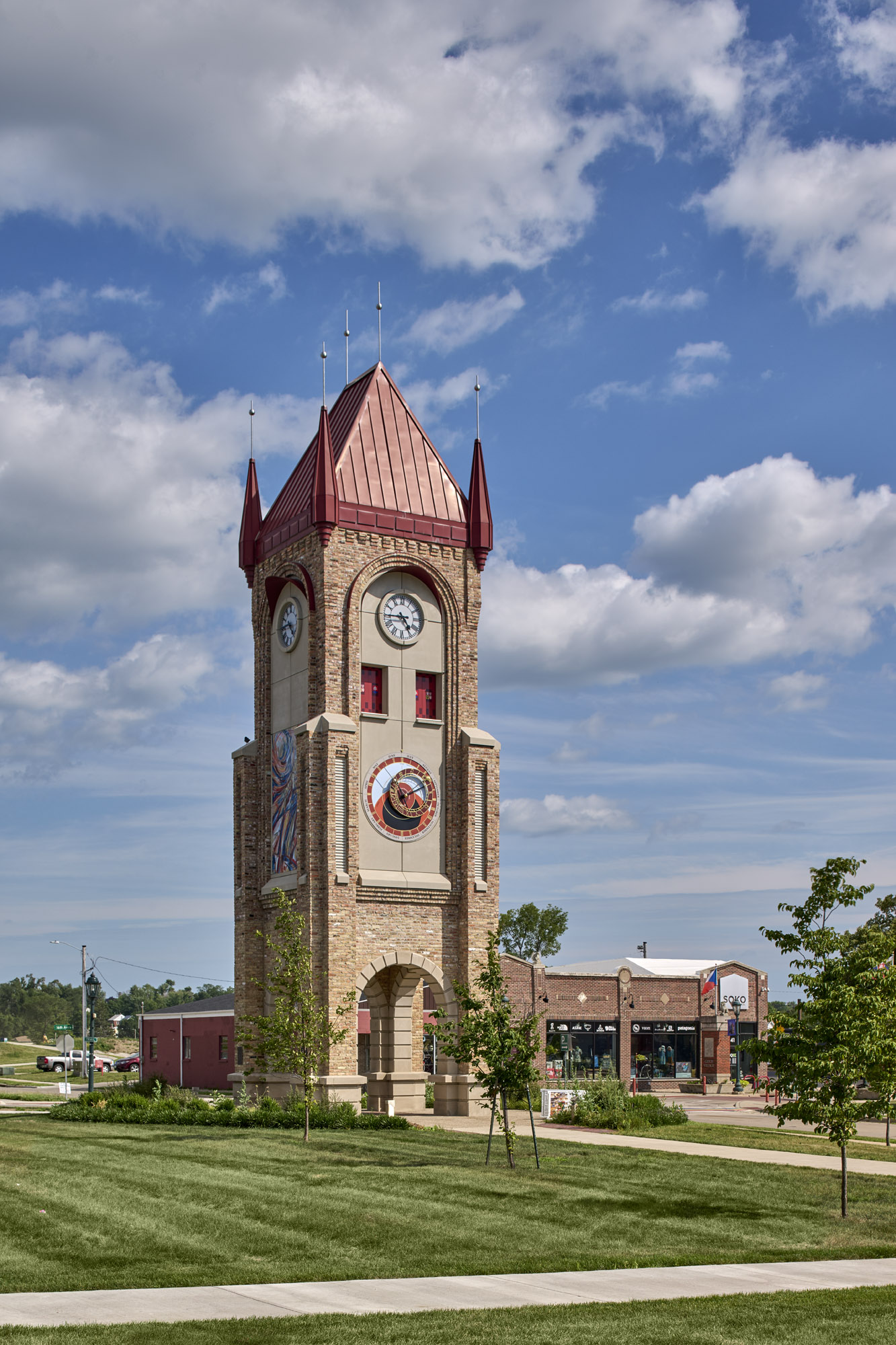
A great architecture project should reflect its place and time, in a way that feels authentic to the culture that surrounds it. Culture means many things to many different people: it can be the shared values and beliefs of those living in the same place, it can be the comradery of coworkers who go to work at the same place, or it can even be the heritage of groups of individuals whose families relocated from the same region of the world.
We are often asked to design spaces in a way that represents the unique qualities of the client and their culture. But at what point is culture discussed in the design process? How much will the project’s design be influenced by the culture? This article will share our experiences in answering those questions.
How Important is Culture in Architectural Design?
Stakeholder feedback is a crucial step of the architectural design process that often happens during the pre-design and schematic design stages. After the initial expectations for the project are collected, work begins on collecting feedback from the owner and stakeholders about the desired experience for occupants, including safety, security, and health. The design team can then begin examining how the project will create that experience through its design.
This feedback can be collected through visioning workshops and other collaborative sessions that allow stakeholders to make their voices heard. These conversations help the client and design team develop a shared understanding of the project before major design decisions are made.
(What’s a stakeholder, you ask? Read all about it in our article on stakeholder feedback.)
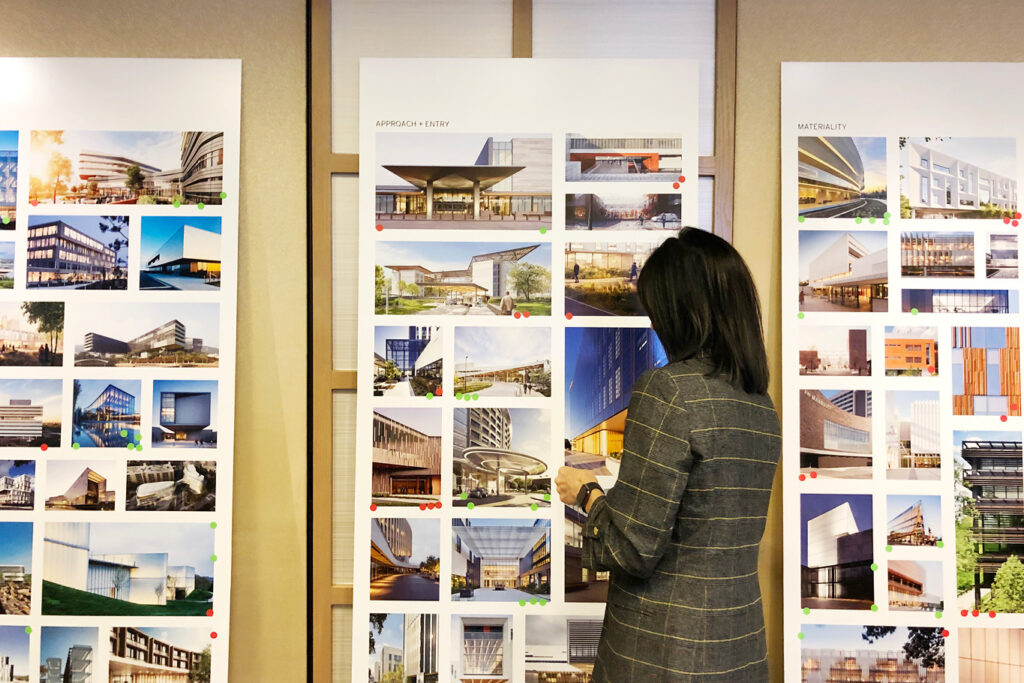
Cultivating Workplace Culture With Architecture
Many owners want their new space to align with their organization’s values, needs, and vision. A company may champion its customers and strive to provide the most convenient customer service. Another company may value sustainability and provide employees with environmentally responsible ways to do their work. Other organizations may emphasize physical activity, craftsmanship, collaboration, or community involvement.
Most companies have a unique blend of these cultural touchstones that make their organization special to customers and employees. During the design process, this culture is explored through discussions with the owner and employees. Architects may ask questions about what makes the organization unique, what it creates, how its employees work, and what values guide its decisions. These discussions can help you better understand your company’s role in the local, regional, and global community. They may also reveal what employees value and what keeps customers returning to your business.
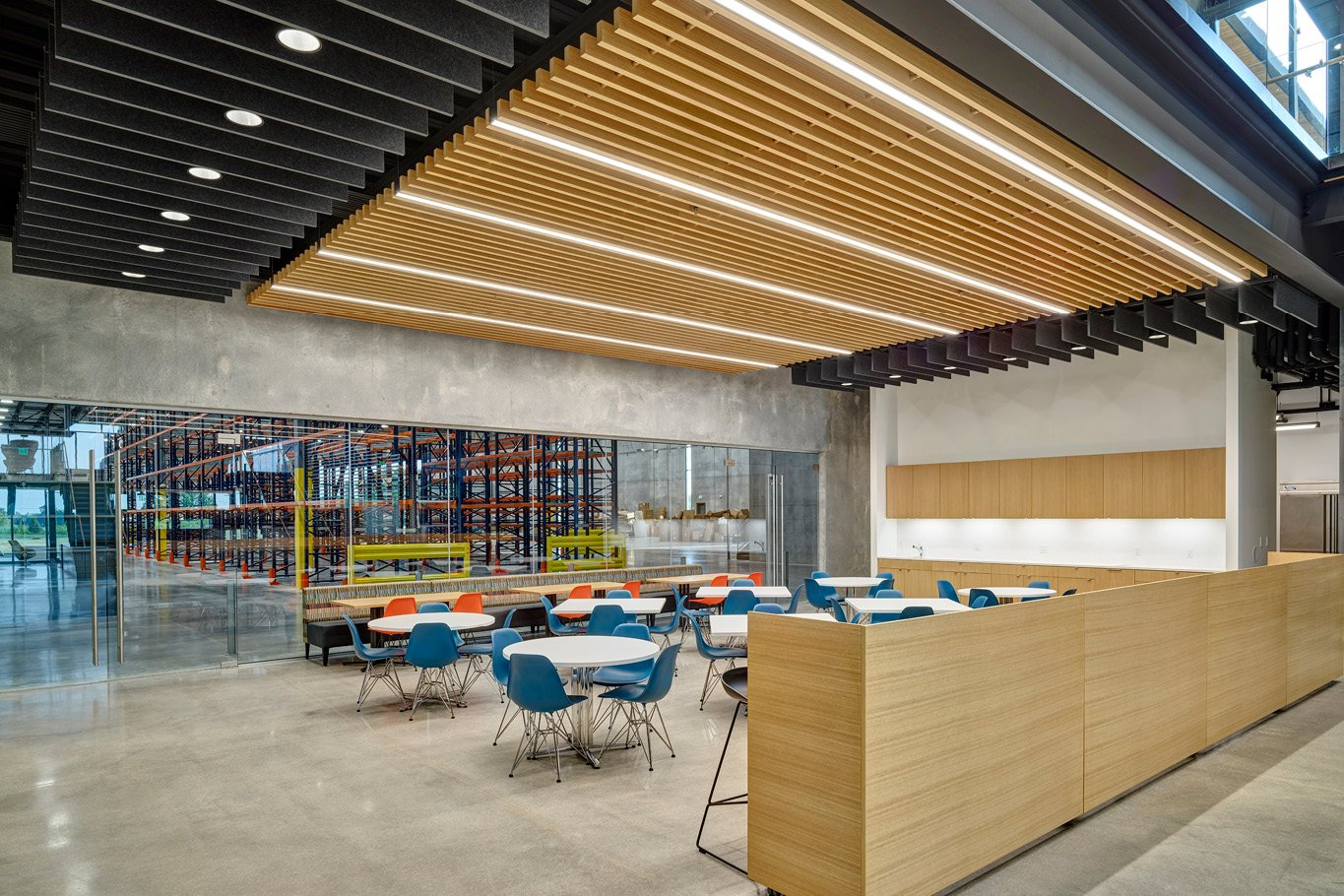
A new design project can even be a way to explore how your company culture could evolve in the future. Perhaps stakeholder meetings reveal that most employees want a stronger focus on sustainability at their place of work. Maybe they want more private workstations or more opportunities for collaboration. They may also want the space to better represent the work they do.
In some cases, the design team may identify an architectural idea that becomes emblematic of the organization. Materials, forms, furniture, and other details can be influenced by the organization’s products, processes, or history. A new space can be the perfect way to introduce these desired cultural aspects and make the organization’s values more visible.
Complimenting Local Culture With Architecture
Other cultural considerations come from the location of the project. A downtown district may host a culture of nightlife and commerce, while a rural farmland population may favor quiet evenings and unobstructed horizons. These are aspects of the local culture that you likely want your design to respect. Designing a space that matches the local culture can ensure your project fits into the fabric of the community.
For example, when considering how to approach a project’s style, we may research the history of surrounding architecture. A historic area built with brick walls and stone streets might make an ultra-modern project look out of place, and a rustic farmhouse may not fit as well in a stylish shopping area. To avoid clashing with the surrounding area, an architect may incorporate facets of the area’s history into the new project. This is called placemaking.
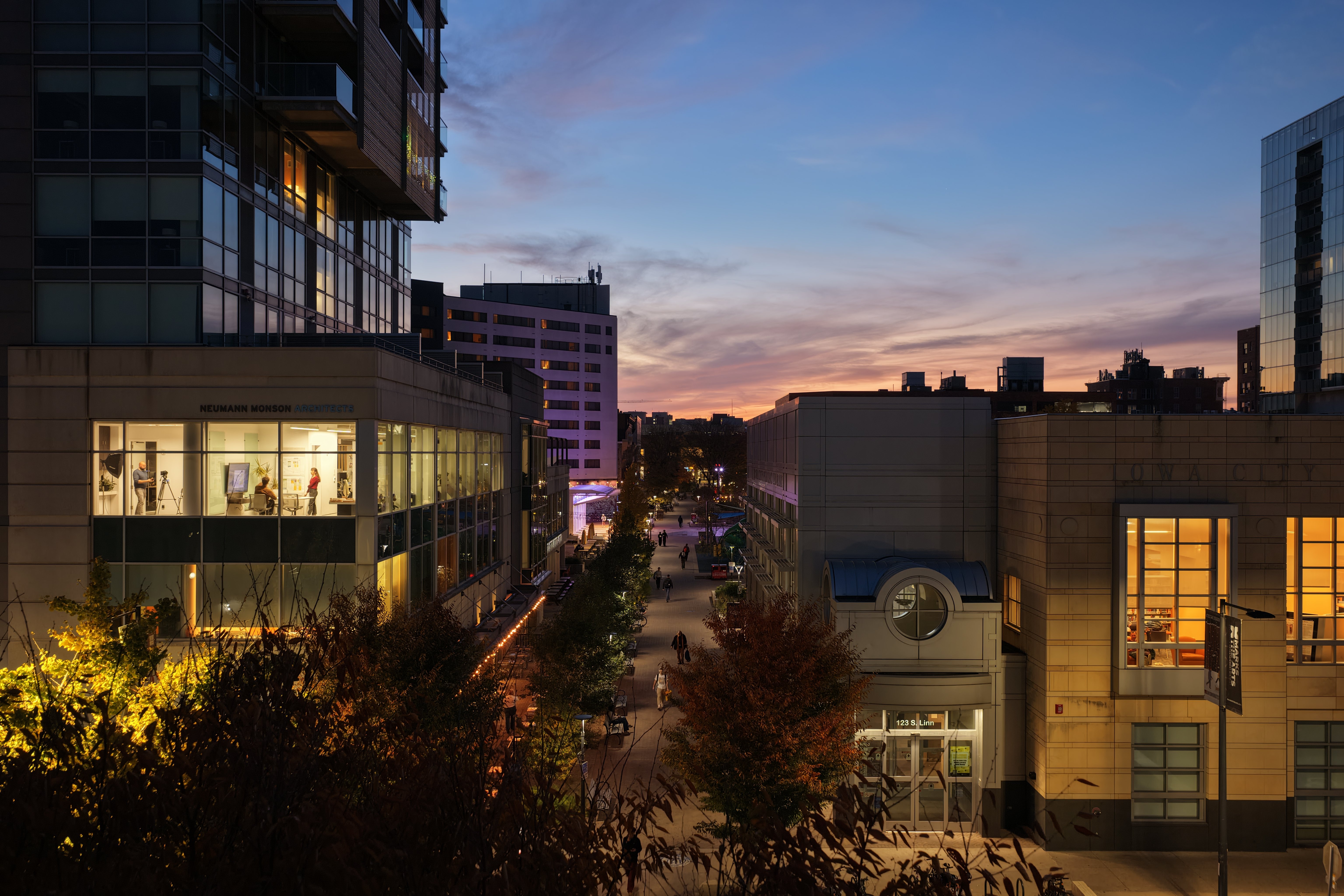
The local culture can be especially important in projects that are open to the public. A common goal for these projects is to make the experience inside the building feel natural and connected to the surrounding community. This can be accomplished with something as prominent as a mural telling the story of the local site or through subtler architectural choices.
At Plaza Towers in Iowa City, for example, brick from the surrounding pedestrian mall is brought into the ground-level arcade of Bread Garden Market. This creates a visual connection between the public realm outside and the interior experience of the building. Every local culture is completely unique, and that means every solution will be unique as well.
Creating Architecture That Respects Cultures From Around The World
Some projects are designed with global cultures in mind. For example, the National Czech & Slovak Museum & Library in Cedar Rapids’ Czech Village is a tribute to a heritage and culture that is unique to the immigrant population living in the area.
We are currently engaged to conduct master planning for the site, envisioning a future for the museum that continues to represent this unique blend of global and local cultures. In order to do this, we met with local leaders to better understand the district’s history and the ways Czech and Slovak culture had been woven into the city. The design team listened to project leaders and challenged them to identify key words and ideas that symbolized both the culture of the place and its history.
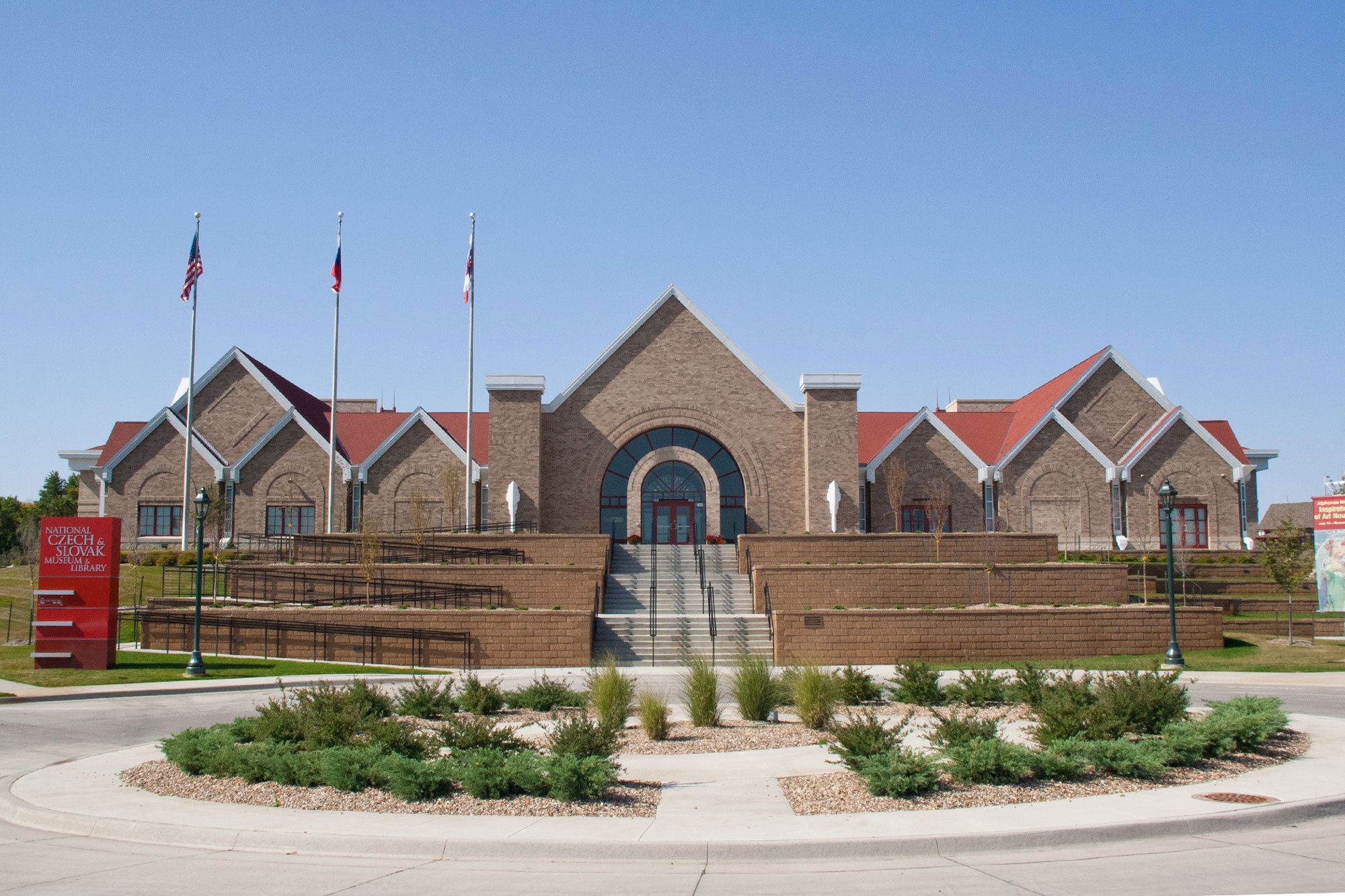
ArtisticAbode, CC BY-SA 3.0 https://creativecommons.org/licenses/by-sa/3.0, via Wikimedia Commons
These discussions revealed many contrasts within Czech and Slovak history: freedom and occupation, unity and separation, immigration and emigration, resilience and oppression. Before designing anything, the team sought to understand what could authentically represent Czech and Slovak culture in this particular place and time.
Places around the world are increasingly multicultural and diverse, which brings new considerations when deciding what kind of culture you wish to reflect in your project. Considering a population’s shared history alongside its current culture can create spaces that provide both a local and global connection.
Combining Culture With Architecture
Like any aspect of architectural design, the kind of culture you want to reflect through your project will be unique to its needs. Culture can be expressed through the finishes and furniture in your space, the names given to rooms, the way employees work together, or the history of an entire community.
Using information from stakeholder workshops facilitated by your architect, along with other collaborative tools, you can begin to identify the cultural qualities you want to bring into your project. The design team can then look for thoughtful and authentic ways to translate those qualities into the finished space.
If you’d like to get started on a project that compliments and contributes to your culture, schedule a meeting with one of our architects. And check out our learning center to read more about visioning workshops and the importance of placemaking.