

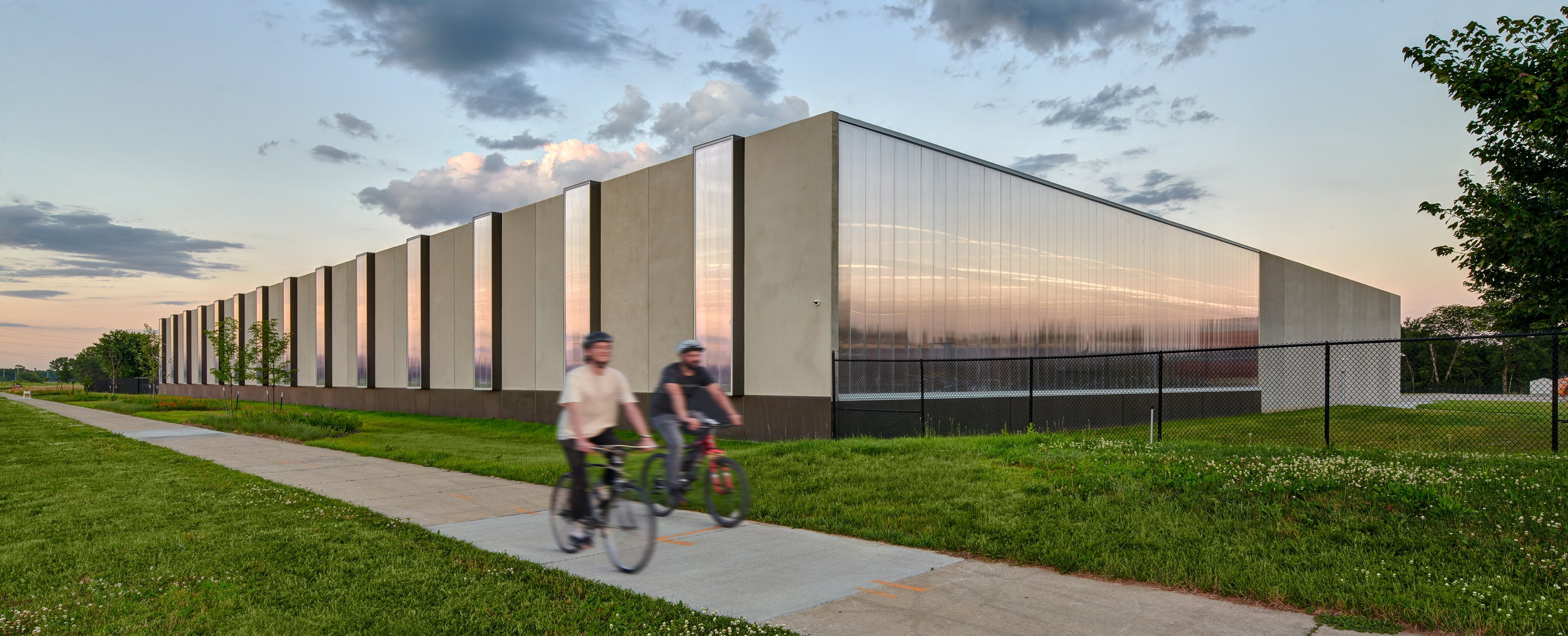
Leadership in Energy & Environmental Design (LEED) is a holistic certification system designed for all building types, addressing everything from material selection to energy and water use, as well as strategies for improving indoor air quality. LEED was first offered in 2000, establishing one of the world's first comprehensive standards for sustainable buildings.
In April of 2025, the U.S. Green Building Council launched its newest version of the program—LEED v5. This updated framework redefines high-performance buildings to better confront the urgent realities of climate change and the evolving role of the built environment.
With clear, actionable steps, LEED v5 Building Design and Construction (BD+C) demands greater transparency and accountability across the building sector. It shifts the program from a disclose and improve mentality to one focused on measuring, reducing, and proving. LEED v5 is structured around three central priorities:
1. Decarbonization
In previous versions of LEED, carbon reduction was treated as one goal among many. Now, decarbonization sits at the center of the certification framework. By addressing both embodied and operational carbon, project teams are pushed to reduce life-cycle emissions through long-term planning and measurable reductions.
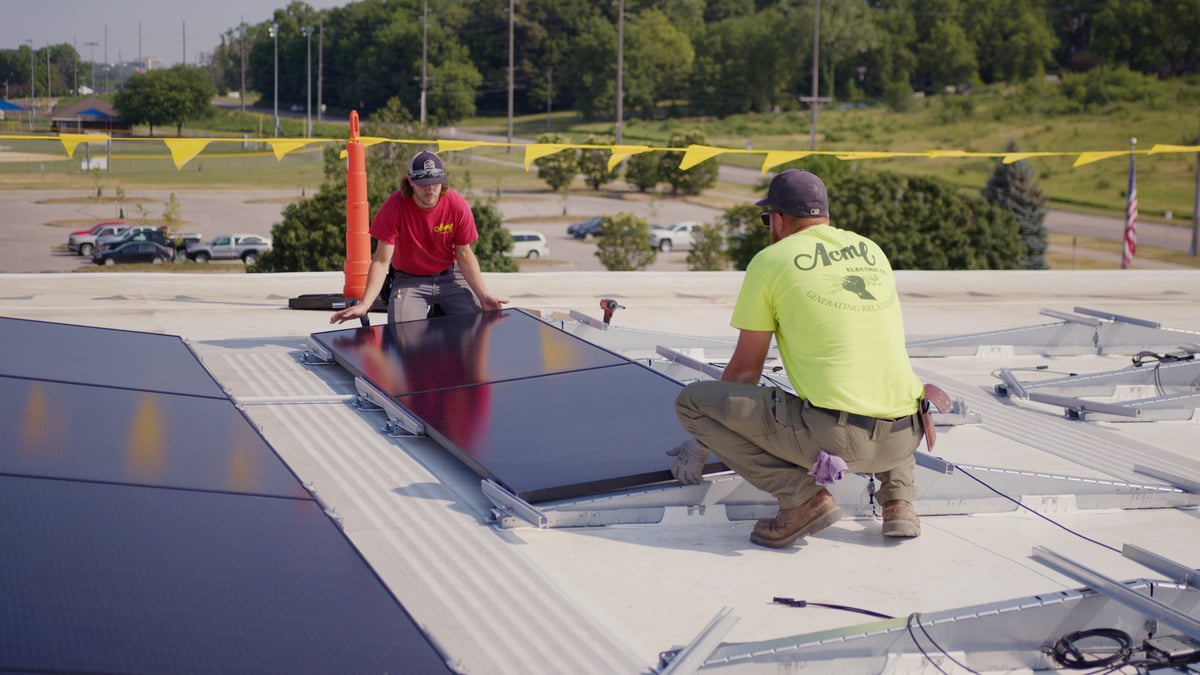
Under LEED v5, carbon strategies must be considered early in the design process. Teams are required to conduct carbon assessments and 25-year emissions projections to guide decision-making around building systems, energy use, and material selection. This foundational requirement encourages meaningful strategies focused on renewable energy implementation, electrification, and low-carbon choices.
By emphasizing lower emissions across the entire building life-cycle, the emphasis on decarbonization seeks to position LEED as a performance-based framework aligned with global climate priorities.
2. Quality of Life
Beyond emissions reductions, LEED v5 expands its sustainability focus to include human health, comfort, and well-being. Project teams are now required to assess both current and future climate-related hazards, as well as complete a human impact assessment that considers demographics, infrastructure, land use, and occupant experience.

LEED v5 also strengthens indoor environmental quality expectations, addressing construction and pre-occupancy practices along with long-term operational health. Requirements such as improved ventilation strategies and reduced vehicle idling highlight the program's broader commitment to healthier indoor and outdoor environments.
By including these assessments, LEED reinforces that high-performing buildings must not only reduce environmental impacts, but also support the people and communities they serve over time.
3. Ecological Conservation
LEED v5 also pushes project teams to actively protect and restore natural systems rather than simply minimizing site disturbance. New requirements around habitat protection within site assessments emphasize conserving existing vegetation, establishing exclusion zones for healthy habitats, and removing invasive species before and during construction.
The program further prioritizes ecological responsibility in building operations through goals such as zero-waste planning, reinforcing that sustainability must continue well after construction ends.
These updates reflect the understanding that buildings impact more than human occupants—they also affect ecosystems and biodiversity.
Scoring Updates
In the previous iteration, LEED v4.1, credits were balanced across energy, water, materials, and Indoor Environmental Quality. In LEED v5, however, the credits are balanced to reflect 50% of points focused on decarbonization, 25% on quality of life, and 25% on ecology.

Rather than emphasizing operational efficiency alone, LEED v5 requires projects to address both operational and embodied carbon, reflecting the most urgent environmental priorities facing the building sector today.
LEED v5 replaced the previous innovation category with a new focus on project priorities. This change allows for greater flexibility for teams to pursue strategies aligned with unique regional contexts, building typologies, and project-specific sustainability goals.
Performance Beyond Certification
By emphasizing measurable performance and verified outcomes over time, LEED v5 holds project teams accountable for creating healthier, more resilient buildings. With decarbonization, quality of life, and ecological conservation at its core, LEED v5 encourages thoughtful, sustainable actions across the full building life-cycle.
Ultimately, LEED v5 represents a shift toward buildings that are not only better for the planet, but also for the people and ecosystems that depend on them.
Now that you understand the key updates in LEED v5, consider exploring the program's certification pathways and categories.