

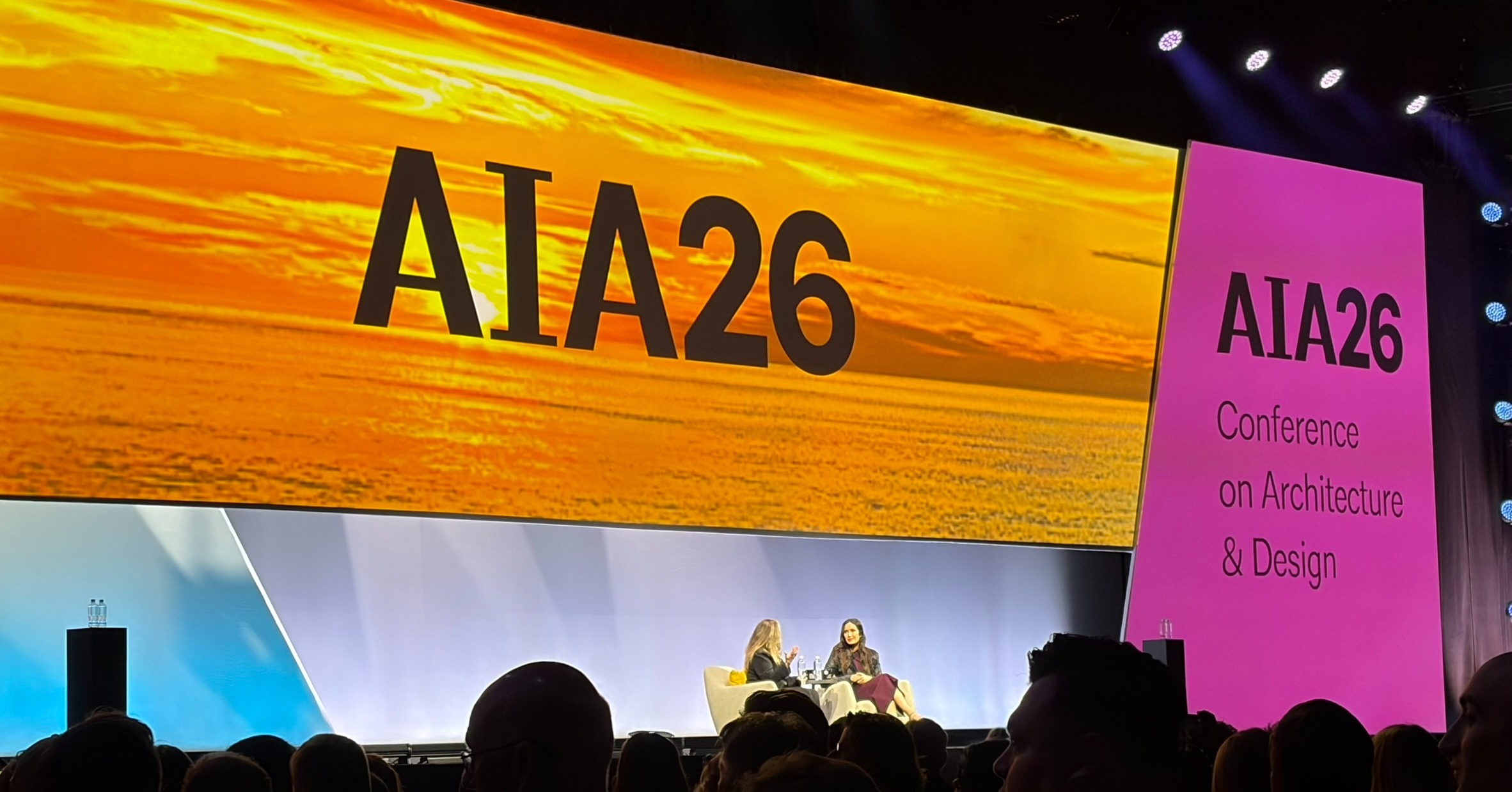
It’s important for your architect to be up to date on the latest in architectural design and industry innovations. This June, our architects and designers attended the 2026 American Institute of Architects Conference on Architecture & Design (AIA26). They watched presentations, traded stories with peers, and brought us back some of the current trends architects across the nation are seeing in their practice. Below are some of thoughts about what we saw, and what our clients can expect in 2026 and beyond.
Accessible Design Can Grow Beyond ADA
The ADA Standards for Accessible Design are a set of regulations architects use to ensure the buildings or facilities they design are compliant with the Americans with Disabilities Act (ADA). However, the ADA Standards are not the only way architects can design accessible spaces, and many people with disabilities are voicing their support for design that goes beyond meeting ADA Standards to accommodate even more individuals.
 Accessible design helps individuals of any age and ability use spaces comfortably.
The principles of Universal Design are one way architects can start thinking about accessibility differently. Universal Design is a flexible framework of seven principles which encourages designers to consider accessibility broadly from the start of the process, rather than retroactively conforming their designs with specifications like ADA standards.
(Designing using the principles of Universal Design is also encouraged for certifications like the Living Building Challenge, LEED, and WELL. This prompted us to implement Universal Design in our own Iowa City Studio.)
But frameworks like Universal Design can only be used as a creative tool, not a fully-packaged solution. Spaces striving for universal accessibility should include participation from stakeholders and experts with disabilities during the design process. This allows architects to create designs that both satisfy the legal requirements of ADA Standards as well as the preferences of individuals with disabilities who will use the space.
Design With Disabled People Now is an organization that encourages these design practices, and they provide resources that can help jumpstart the process of inclusive design.
Architects Are Building for an Uncertain Future
In the U.S., current political, environmental, technological, and social trends are changing rapidly. This rapid change can make planning for the future confusing, or even make it seem useless. But while it’s tempting to retreat to tried-and-true conventions, architects with an eye toward sustainability should try to develop solutions to the new problems they face which enhance the wellbeing of occupants and increase the lifespan of their buildings.
As natural disasters increase around the world, resilient design is becoming crucial in areas that did not require it in the past. Floodplain studies, disaster-ready passive temperature control, and earthquake-resistant design are now considerations in places that traditionally did not build for such events.
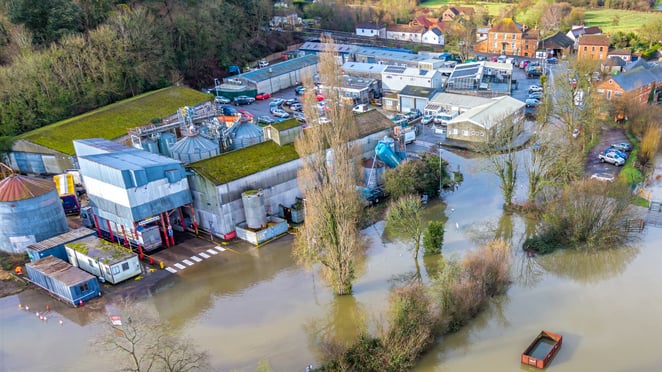
Expensive natural disasters are increasingly common.
There are also major discussions around new facilities being built to support emerging technologies. The construction of these facilities is contributing to a labor shortage for many trades in the building industry. Alternatively, some facilities have been canceled quickly due to community pushback, leaving firms scrambling to procure work and restructure their design teams. When deciding whether to take on a project, architects will need to secure long-term feasibility—possibly through bonds or other methods of insuring.

Skilled trades have fluctuating demands due to highly funded ventures in the tech industry.
As a client, these factors might require more flexibility to changing demands of not just your stakeholders, but to the economy and the environment.
Architects Should Start Aiming to Be Involved Earlier in The Process
While most clients view architects purely as designers, an architect’s expertise goes much further than design. Architects’ unique knowledge and experience working in the building industry can make them valuable assets while clients look to secure financing and search for incentives. Success in the building industry often comes from risk mitigation, and consulting with an architect from the very beginning of a project can increase a client’s chances of avoiding unwanted delays or funding issues.
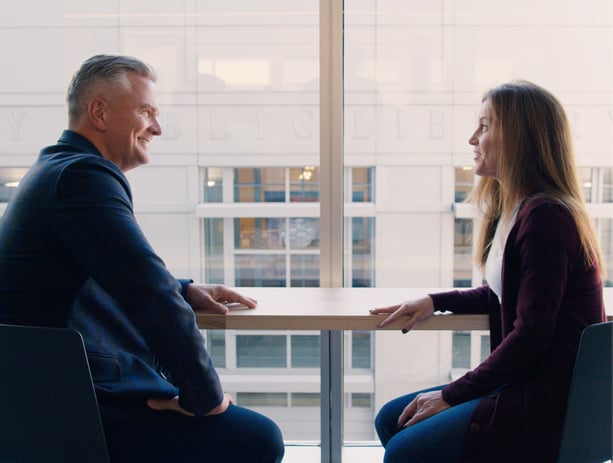 Meeting early allows you to mitigate risk for your project.
Architectural messaging should broadcast the benefits of early consultations with architects. These benefits include better execution of project goals, a realistic project plan from day one, and equipping the client with clearer expectations to communicate to stakeholders. Utilizing these benefits as a client allows for more focused and predictable outcomes in a building project.
Looking Ahead
The building industry landscape is changing by the day, and it takes continuing education and knowledge sharing to ensure the best service for clients. If you need help navigating the complex pathways through building project development, schedule a meeting with one of our architects. And for more information related to our findings at AIA26, check out our learning center articles on building accessibility and resilient architecture.